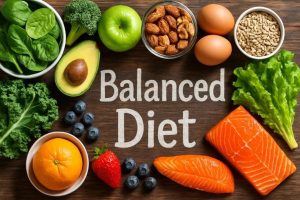

Simple Balanced Diet for Beginners | 7-Day Plan

Start eating well without strict rules. Try this simple, balanced diet for beginners, plus an easy, healthy 7-day eating plan.

Simple Balanced Diet for Beginners: An Easy Way to Start Eating Well

Eating healthy doesn’t have to mean strict rules, bland meals, or spending half your weekend prepping food. Therefore, if you are looking for a simple, balanced diet for beginners, the goal is straightforward: build satisfying meals, boost your energy, and ultimately take the stress out of eating.
You don’t need fancy, overpriced ingredients or a rigid daily schedule to make progress. Real nutrition comes down to giving your body a steady mix of protein, fiber, healthy fats, fruits, veggies, and plenty of water—most of the time. Whether you’re cooking for one between long work shifts or feeding a busy family, eating well should fit into your actual routine, not take it over.

Why Healthy Eating Feels So Hard at First

Sorting through wellness advice can leave anyone’s head spinning. One day carbs are off-limits, the next day fat is the enemy, and your social media feed is pushing a dozen-ingredient smoothie before you’ve even had morning coffee.
No wonder taking that first step feels overwhelming. If you’ve ever quit a restrictive plan three days in, struggled to visualize a healthy plate, or needed meals that respect your busy schedule and budget, you haven’t failed. You just need a practical baseline.
Focusing on a simple balanced diet for beginners works because it ditches the all-or-nothing mindset in favor of small, repeatable habits. You don’t need a total life overhaul—just make a thoughtful choice for your next meal.

Foods to Include in a Healthy Diet: The Wellness by Aish Approach

Building healthy habits shouldn’t feel like a full-time job. At Wellness by Aish, we break down complex health advice into practical, down-to-earth tips you can actually use.
You won’t find restrictive rules or trendy quick fixes here—just clear guidance to help you make informed decisions about your well-being.

Rather than promoting rigid diet rules, our approach focuses on balance:

  • Eat foods that nourish and satisfy you.
  • Build meals around everyday ingredients.
  • Leave room for enjoyment, celebrations, and flexibility.
  • Make small changes that are easier to maintain.
  • Learn what helps your body feel good.
Eating well isn’t a one-size-fits-all formula. Whether your plate features rice, roti, oats, eggs, veggies, or tofu, plenty of everyday foods fit seamlessly into a simple, balanced diet for beginners. 7-day plan or not, what truly drives long-term health isn’t sticking to a rigid meal setup—it’s building a sustainable, nutritious pattern you actually enjoy sticking to.

What You Can Gain From a Balanced Eating Routine

Sticking to a simple balanced diet for beginners—even just following a 7-day plan—delivers benefits that go far beyond weight loss. Eating wholesome meals on a regular basis boosts your daily energy levels, improves your mood, and keeps your body feeling vibrant from the inside out.
  • More steady energy throughout the day
  • Better focus while studying or working
  • Improved digestion from fibre-rich foods
  • A calmer, more positive relationship with food

How to Build a Balanced Plate in 4 Simple Steps

1. Add a source of protein

Getting enough protein is key to staying satisfied and keeping your body running smoothly, so stick with whatever high-quality options you actually like and can easily get your hands on.
You can easily build a simple balanced diet for beginners with versatile staples like eggs, lentils, beans, chickpeas, paneer, and tofu, or branch out into yogurt, fish, chicken, and lean meats depending on your preferences.

2. Include fibre-rich carbohydrates

Carbohydrates are your body’s main source of fuel, so there’s no reason to cut them out entirely when building a simple balanced diet for beginners. The secret is simply choosing nutrient-rich sources most of the time.
You can easily hit your goals by filling your plate with everyday staples like oats, whole-wheat roti, potatoes, quinoa, millets, fresh fruit, or even regular brown and white rice.

3. Fill in colour with vegetables and fruit

To build a simple balanced diet for beginners, try loading up on vegetables at lunch and dinner, then grabbing a piece of fruit for breakfast or a quick snack.
It doesn’t matter if they are fresh, frozen, or cooked—they all deliver the same great benefits. An easy way to keep things on track is to make sure you have at least two different colors on your plate at every meal.

4. Don’t forget healthy fats and flavour

You can easily get healthy fats from everyday staples like nuts, seeds, avocados, olive oil, peanut butter, coconut, or full-fat dairy.
Don’t be afraid to punch up the flavor with your favorite herbs, spices, lemon juice, and delicious sauces, because good nutrition should never taste bland.

What Is a Healthy 7-Day Eating Plan?

However, finding a healthy 7-day eating plan doesn’t mean following a rigid set of rules; instead, it’s about building a simple, balanced diet for beginners that fits your actual life. Furthermore, rather than stressing over total perfection, focus on enjoying a mix of nourishing foods throughout the week.

MONDAY

  • Breakfast: Oats with banana, nuts, and yoghurt
  • Lunch: Dal, rice, mixed vegetables, and salad
  • Dinner: Vegetable soup with whole-grain toast and eggs or tofu

TUESDAY

  • Breakfast: Vegetable poha or upma with fruit
  • Lunch: Chicken, paneer, or chickpea wrap with salad
  • Dinner: Roti, mixed vegetable curry, and yoghurt

WEDNESDAY

  • Breakfast: Eggs or tofu scramble with toast
  • Lunch: Rajma or bean bowl with rice, vegetables, and curd
  • Dinner: Grilled fish or paneer with potatoes and sautéed greens

THURSDAY

  • Breakfast: Yoghurt with fruit, seeds, and oats
  • Lunch: Vegetable khichdi with cucumber raita
  • Dinner: Stir-fried vegetables with noodles, tofu, chicken, or eggs

FRIDAY

  • Breakfast: Besan chilla with chutney and fruit
  • Lunch: Leftover grain bowl with protein and vegetables
  • Dinner: Roti with dal and a seasonal vegetable

SATURDAY

  • Breakfast: Peanut butter toast with banana
  • Lunch: Homemade vegetable pulao with raita
  • Dinner: Pasta with vegetables, beans, and a side salad

SUNDAY

  • Breakfast: Idli or dosa with sambar
  • Lunch: Your favourite home-cooked meal—build a balanced plate
  • Dinner: A lighter meal such as soup, dal, salad, or a veggie sandwich
A realistic, simple, balanced diet for beginners doesn’t rely on strict rules or hard-to-find ingredients. Instead, a successful 7-day plan focuses on nourishing, budget-friendly meals that leave you satisfied and energized.
The real key is creating a routine you actually enjoy—one that fits your schedule, respects your wallet, and feels easy enough to stick with for the long haul.

Make the Plan Work for Your Life

A Simple Healthy diet for beginners works best when it actually fits your life. Instead of overhauling everything at once, stick to a few low-stress habits that keep you on track without taking over your routine:
  • Batch prep the basics: Cook two versatile protein sources early in the week—like boiled eggs, dal, or roasted chickpeas—so you always have a base ready to go.
  • Stock reliable shortcuts: Fill your kitchen with low-effort staples like fresh fruit, yogurt, oats, nuts, frozen veg, and whole-grain bread.
  • Embrace repeat meals: Eating the same breakfast or lunch every day isn’t boring if it eliminates decision fatigue.
  • Aim for half-plate veggies: Load up on greens when you can, but don’t stress if a meal falls short.
  • Stay hydrated: Sip water throughout the day, since thirst frequently disguises itself as hunger.
  • Keep your mindset flexible: Enjoy your favorite treats guilt-free, and remember that one takeaway dinner won’t undo your hard work. Every meal is just another chance to nourish your body.

Frequently Asked Questions

Is a simple Healthy Diet expensive?

Not necessarily. Budget-friendly foods such as lentils, beans, eggs, seasonal vegetables, rice, oats, potatoes, bananas, and yoghurt can form the foundation of balanced meals.

Do I need to stop eating rice or bread?

No. Rice and bread can absolutely be part of a balanced diet. Pair them with protein, vegetables, and healthy fats to make the meal more filling and nourishing.

What is a healthy 7-day eating plan if I’m busy?

Keep it simple. Choose repeatable breakfasts, batch-cook one or two dishes, use frozen vegetables, and rely on easy combinations like dal and rice, eggs and toast, or yoghurt with fruit and nuts.

Can I lose weight with a Healthy diet?

A balanced eating pattern may support weight management, but health is about more than weight. Focus first on consistency, satisfaction, energy, and habits you can maintain. For personalised medical or nutrition advice, speak with a qualified healthcare professional or registered dietitian.

How quickly will I see results?

Some people notice steadier energy or less afternoon hunger within a few days. Longer-term changes take time. Be patient with yourself—small routines add up.

Start With One Balanced Meal Today

Feeling better doesn’t require an overnight life overhaul. You can easily start a simple balanced diet for beginners by taking small, doable steps each day. Try eating a morning meal that actually keeps you full, tossing an extra vegetable into your lunch, or drinking one more glass of water. Focus on making tonight’s dinner just a bit more balanced than yesterday’s. That is how real, lasting health happens—quietly, consistently, and entirely on your own terms.
Simple Balanced Diet for Beginners

Leave a Comment

Your email address will not be published. Required fields are marked *